The High-Failure Bane of Philadelphia Flat Roofs

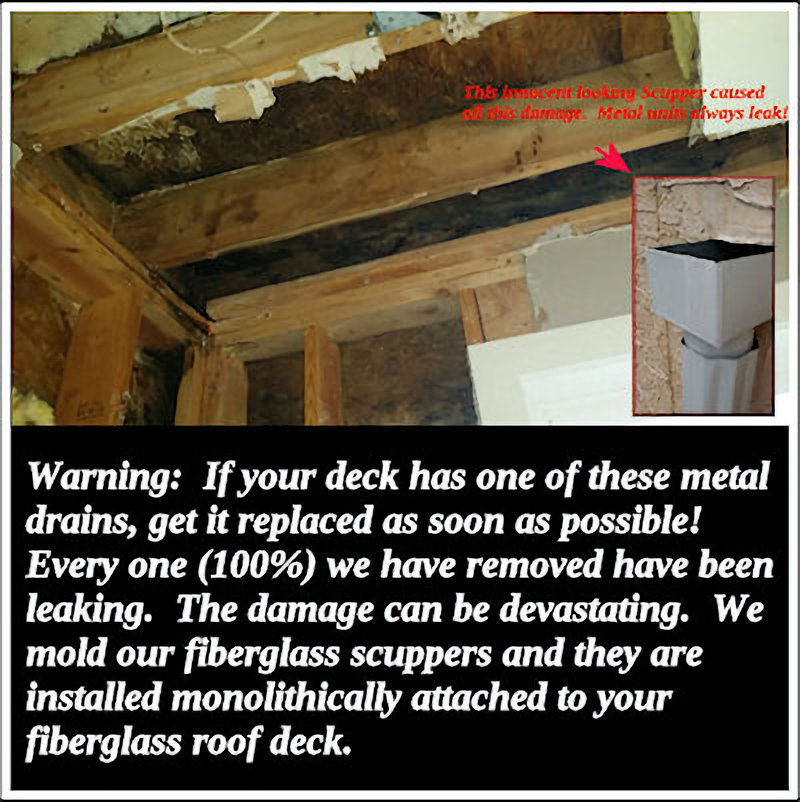
Sheet metal scupper boxes are notorious for being the bane of existence for average roofers throughout the city of Philadelphia. Designed to collect and discharge thousands of gallons of rainwater off flat roofs and fiberglass decks, standard metal scupper boxes experience extreme thermal movement that splits soldered joints and tears caulked perimeter seams wide open.

Furthermore, scupper boxes frequently appear to be leaking when the actual water intrusion is originating far upstream. Rainwater entering behind compromised parapet caps or unsealed masonry pointing travels silently along floor joists before exiting around the scupper box sleeve, leading amateur roofers to misdiagnose the scupper as the primary breach.

Industry Reality Check:

Attempting a static water "flood test" on any pitched roof or fiberglass-cladded deck is reckless. Forcing standing water under wall flashings and scupper sleeves creates massive, secondary structural damage inside living spaces below.

5 Critical Scupper & Drain Science Facts

Fact #1: Thermal Expansion Splits Seams

Metal scupper boxes expand and contract at vastly different rates than roofing membranes and fiberglass decks. This continuous thermal movement rips soldered joints and caulked seams apart, creating direct leak paths.

Fact #2: Upstream Misdiagnosis Traps

Water entering through masonry pointing or parapet caps routinely travels along interior framing before emerging at the scupper, causing inexperienced contractors to replace scuppers that were never leaking.

Fact #3: Reckless Deck Flood Tests

Commercial flood testing is completely dangerous for residential pitched roofs or fiberglass decks. Damming up drains forces standing water under flashing seams, destroying interior drywall.

Fact #4: The Hose Pressure Trap

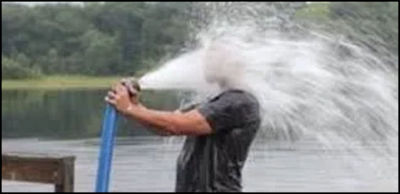
Blasting high-pressure garden hoses directly into scupper boxes and sidewall sleeves forces water past drainage planes into dry structural framing, causing artificial breaches and rot.

Fact #5: Monolithic Custom Replacements

Permanent scupper resolution requires ripping out failed metal boxes and installing custom-engineered, monolithic drains seamlessly integrated with the roof deck membrane to withstand thermal expansion.

Building Diagnostics

An expert in roof drains evaluates parapet caps, deck pitches, and upstream masonry transitions simultaneously.

Consult our specialized Philadelphia leak detection team at FSI Restorations to locate drainage breaches without destructive testing.

scupper-box-leak
Split metal soldered seams and thermal fatigue on a failing Philadelphia roof scupper box
Avoid water hose leak testing on scupper boxes and roof drains
CRITICAL PUBLIC SERVICE ANNOUNCEMENT

Beware Destructive Water Hose & Flood Testing on Roof Drains

Attempting static water flood tests or blasting high-pressure hoses around scupper sleeves forces water into unexposed structural wall cavities that were previously dry.

Artificial hose testing invalidates roof warranties, saturates interior framing lumber, and creates massive mold hazards behind ceiling drywall.

Never sign a liability waiver allowing anyone to flood your roof deck or blast high-pressure water into your drainage assemblies!

TALK TO US
Our Commitment

We Have Been A Trustworthy Company Since 1978

Truth

You have our word that our main focus is doing right by you. We inspect your scupper boxes and roof drainage systems to provide an honest, evidence-based report with real, permanent solutions.

Integrity

We are family run and deeply committed to building science. Profit comes after doing the job right. We diagnose your leak using non-destructive methods rather than blindly tearing into drywall.

Warranty

When we replace scupper boxes with our custom monolithic drain systems, we stand firmly behind our craftsmanship with our written warranty policy in your hands on day one.