The Hidden Reality of Pilot House Door Leaks

Rooftop pilot house doors in Philadelphia take the brunt of severe wind-driven storms. When water breaches a rooftop entry, the visible stain on your ceiling below is only a small part of the problem. Water travels through complex assemblies of door casings, ledger boards, floor joists, and structural framing before finally breaking through drywall.

Most contractors treat a pilot house leak as a minor surface seal issue. The reality is that improperly installed doors allow water to saturate the internal framing cavity for months or years. By the time water manifests inside your living space, unseen structural rot and wood decay have already occurred deep within the building envelope.

Industry Reality Check:

Over 99% of pilot house door leaks stem from systemic builder errors during initial construction—such as flipping cheap in-swing doors to operate as out-swing units, leaving raw wood edges exposed to driving rain, or completely omitting monolithic door pan flashings.

5 Critical Pilot House Building Science Facts

Fact #1: Flipped In-Swing Doors

To cut costs, builders routinely buy standard in-swing doors and reverse them to open outward. In-swing doors rely on threshold weep systems that completely fail when reversed, channeling wind-driven rain straight into framing.

Fact #2: Raw Edge Core Rot

Out-swing doors rely on strict compression seals. When builders leave raw perimeter edges unsealed, rooftop moisture quickly penetrates the core, rotting new-growth wood and destroying seal alignment within a year.

Fact #3: The Hose Trap

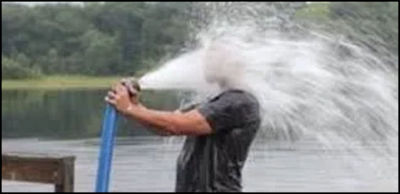
Inexperienced water testers often blast high-pressure hoses at pilot house door casings and siding. This forces gallons of water into dry wall cavities, causing artificial leaks and swelling internal subfloors.

Fact #4: Missing Pan Flashings

A pilot house entry demands a custom, monolithic door pan flashing seamlessly integrated into the surrounding fiberglass roof deck membrane to ensure a watertight drainage plane beneath the threshold.

Fact #5: Surface Caulk Fails

Slapping caulk around compromised pilot house door frames merely traps water behind the trim. The trapped moisture festers, rotting subfloors and deck ledger boards out of sight.

Building Diagnostics

An expert in pilot house leaks evaluates the entire rooftop envelope, door assembly, and deck transition simultaneously.

Consult our specialized Philadelphia leak detection team at FSI Restorations to pinpoint rooftop entry points without destructive testing.

Avoid water hose leak testing on pilot house doors and decks
CRITICAL PUBLIC SERVICE ANNOUNCEMENT

Beware Destructive Water Hose Testing on Pilot Houses

Shooting high-pressure water at pilot house sidewalls, door thresholds, and lapped siding creates artificial breaches that were never an issue under natural storm conditions.

Artificial hose testing forces water behind door jambs and under deck flashings, trapping moisture that swells framing lumber, cracks fiberglass topcoats, and breeds toxic mold in interior living spaces.

Never sign a liability waiver allowing anyone to blast high-pressure water into your rooftop door or wall envelope!

TALK TO US
Our Commitment

We Have Been A Trustworthy Company Since 1978

Truth

You have our word that our main focus is doing right by you. We inspect your rooftop assembly and provide an honest, evidence-based report on pilot house conditions with real, permanent solutions.

Integrity

We are family run and deeply committed to building science. Profit comes after doing the job right. We diagnose your leak using non-destructive methods rather than blindly tearing into drywall.

Warranty

When we diagnose and remediate pilot house door and deck transition breaches, we stand firmly behind our craftsmanship with our written warranty policy in your hands on day one.